
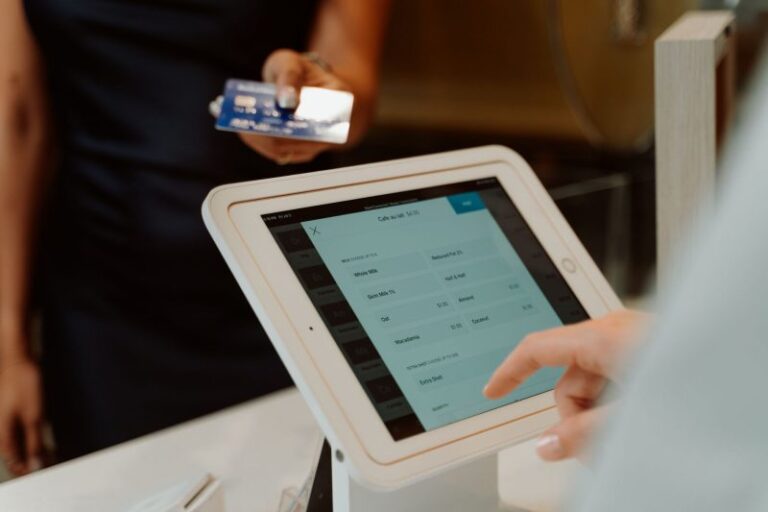
A checking account is the financial tool you touch the most, yet most people open one without understanding how it actually works. You swipe a debit card, pay bills, and get your paycheck deposited, but the mechanics underneath can save or cost you real money. This beginner’s guide breaks down what a checking account is, how to pick the right one, and how to avoid the fees that quietly drain your balance.
If you have never compared accounts before, you are in the right place. By the end, you will know exactly what to look for and which questions to ask before you sign up.
What Is a Checking Account?
A checking account is a deposit account built for everyday spending. You put money in, and you can pull it out quickly through a debit card, ATM withdrawals, checks, or electronic transfers. Unlike a savings account, it is designed for frequent transactions rather than long-term storage.
The money you keep in a checking account is usually insured. At banks, the FDIC covers up to $250,000 per depositor, per institution. At credit unions, the NCUA provides the same level of protection. That insurance means if your bank fails, your covered balance is protected.
Checking accounts rarely pay much interest. Some online banks offer modest rates, but the main purpose of this account is access, not growth. Think of it as the hub where your money flows in and out, while your savings account does the heavy lifting on returns.
How a Checking Account Actually Works
When your employer pays you through direct deposit, the funds land in your checking account, often a day or two faster than a paper check. From there, you can spend or move the money however you need.
Every time you use your debit card, the bank checks your available balance and deducts the amount. Bill payments, app transfers, and ATM withdrawals work the same way. Your available balance is the money you can actually spend right now, which can differ from your total balance if a deposit is still clearing or a charge is pending.
Understanding that gap matters. A pending transaction can lower your available balance before it fully posts, and spending against money that is not truly there is one of the most common ways beginners trigger fees.
Common Checking Account Fees to Watch
Fees are where banks make money on checking accounts, and they are easy to avoid once you know the names. Here are the ones that cost beginners the most:
- Monthly maintenance fees: A flat charge, often in the range of $5 to $15, just for keeping the account open. Many banks waive this if you set up direct deposit or keep a minimum balance.
- Overdraft fees: Charged when you spend more than your available balance. These can run around $30 or more per transaction, and they add up fast.
- ATM fees: Using an out-of-network ATM can cost you twice, once from your bank and once from the machine’s owner.
- Minimum balance fees: Some accounts charge you if your balance drops below a set threshold.
- Paper statement fees: A small charge for mailed statements that you can usually skip by going paperless.
Read the fee schedule before you open any account. Banks are required to disclose these charges, and a few minutes of reading can save you hundreds of dollars a year.
How to Choose the Right Checking Account
The best account for you depends on how you bank. Ask yourself a few honest questions before deciding.
Do You Want a Branch or an App?
Traditional banks offer physical branches, in-person help, and large ATM networks. Online banks skip the branches and often pass the savings on to you through lower fees and higher interest. If you rarely need a teller and prefer managing money on your phone, an online account may serve you better.
Can You Avoid the Monthly Fee?
Many accounts waive the maintenance fee if you meet a condition, such as a recurring direct deposit or a minimum daily balance. If you can meet that requirement easily, a fee-waivable account works fine. If not, look for a genuinely free checking account with no monthly fee at all.
How Big Is the ATM Network?
If you use cash regularly, check how many in-network ATMs are nearby. Some online banks reimburse out-of-network ATM fees up to a monthly limit, which can matter more than the size of a physical branch footprint.
What Are the Digital Tools Like?
A solid mobile app, mobile check deposit, instant balance alerts, and easy transfers make daily banking smoother. Many borrowers and savers find that good alerts alone help them avoid overdrafts.
Steps to Open Your First Checking Account
Opening an account is faster than most beginners expect. You can usually finish online in about 15 minutes. Here is the typical process:
- Compare a few options. Look at fees, minimum balances, ATM access, and interest before you commit.
- Gather your documents. You will generally need a government-issued ID, your Social Security number, and your address.
- Make an opening deposit. Some accounts require a small initial deposit, while others let you start with zero.
- Set up direct deposit. Give your employer your account and routing numbers to get paid automatically.
- Turn on alerts. Enable low-balance and large-transaction notifications right away.
Once your account is active, link it to your savings account so you can move money between the two with a tap.
Smart Habits for Managing Your Account
Opening the account is the easy part. Managing it well is what keeps your money safe and your fees at zero.
Check your balance before any large purchase. A quick glance at your available balance, not just your total, prevents accidental overdrafts. Building this habit early protects you from the most expensive fees on the list.
Set up automatic transfers to savings. Even moving a small amount each payday builds a cushion without you having to think about it. Automating the transfer removes the temptation to skip it.
Review your statement every month. Look for charges you do not recognize, recurring subscriptions you forgot, and fees you can eliminate. Catching an unauthorized charge quickly improves your odds of getting the money back.
Keep a small buffer in the account. Leaving a little extra above what you plan to spend gives you breathing room when a pending charge posts at an unexpected time.
Checking vs. Savings: Knowing the Difference
Beginners often blur these two accounts together, but they serve different jobs. Your checking account handles daily spending and bill paying. Your savings account holds money you do not plan to touch, ideally earning a higher interest rate.
A common approach is to keep one to two months of expenses in checking and route the rest into savings. That keeps your spending money accessible while your reserves grow somewhere more productive. If you want your cash to work harder, financial advisors often suggest pairing a basic checking account with a high-yield savings account.
The Bottom Line
A checking account is simple once you understand the moving parts. Know your available balance, dodge the common fees, and pick an account that matches how you actually bank. Set up alerts, automate your savings, and review your statements, and this everyday account will work quietly in your favor instead of costing you money. Start with one solid account, build good habits, and you will have a strong foundation for the rest of your financial life.
