Sinking Funds in South Africa: How to Plan for Big Expenses Without Debt
Learn how sinking funds help South Africans plan for annual bills, car repairs and holidays without relying on credit. A practical guide to saving in advance.
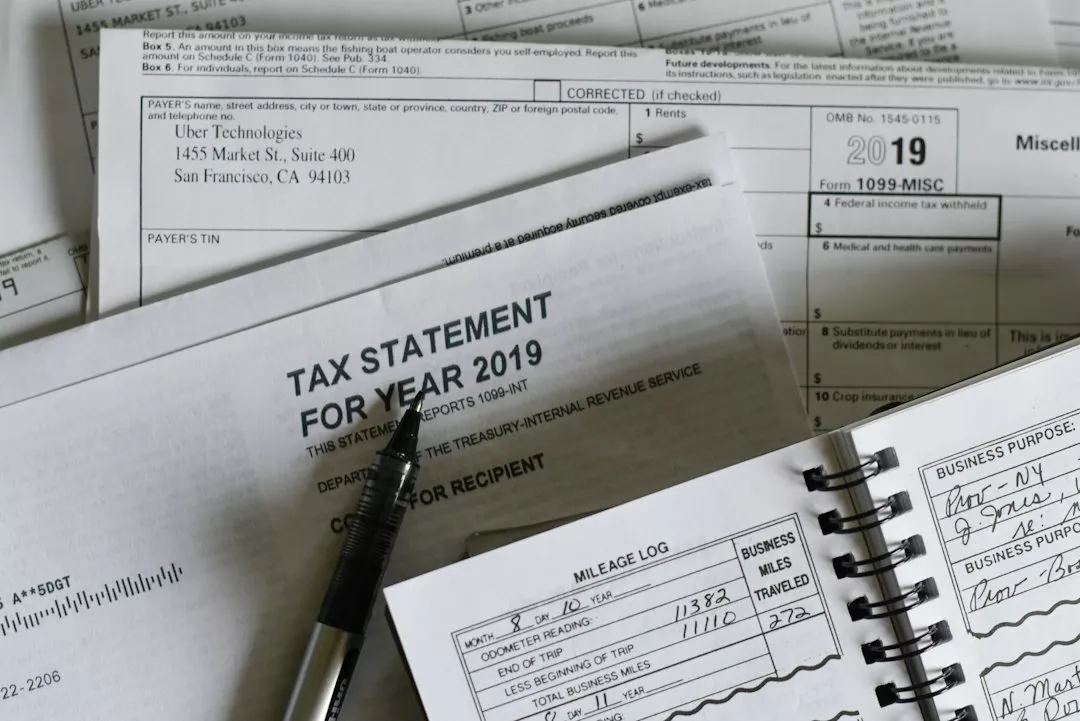
Most household budgets in South Africa cope well with the regular monthly costs: rent or bond repayments, groceries, transport and airtime. The trouble usually comes from the expenses that arrive only now and then. Car licence renewals, school uniforms, annual insurance premiums, a broken geyser or the December holidays can all knock a carefully planned budget off course. A sinking fund is one of the simplest ways to prepare for them.
What Is a Sinking Fund?
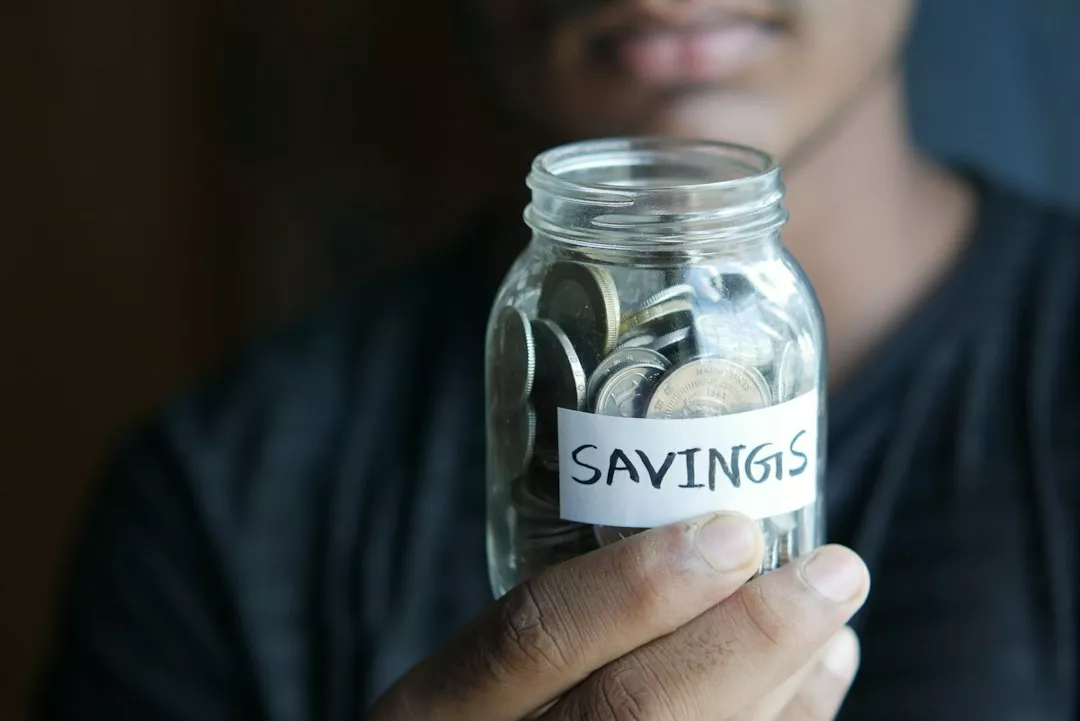
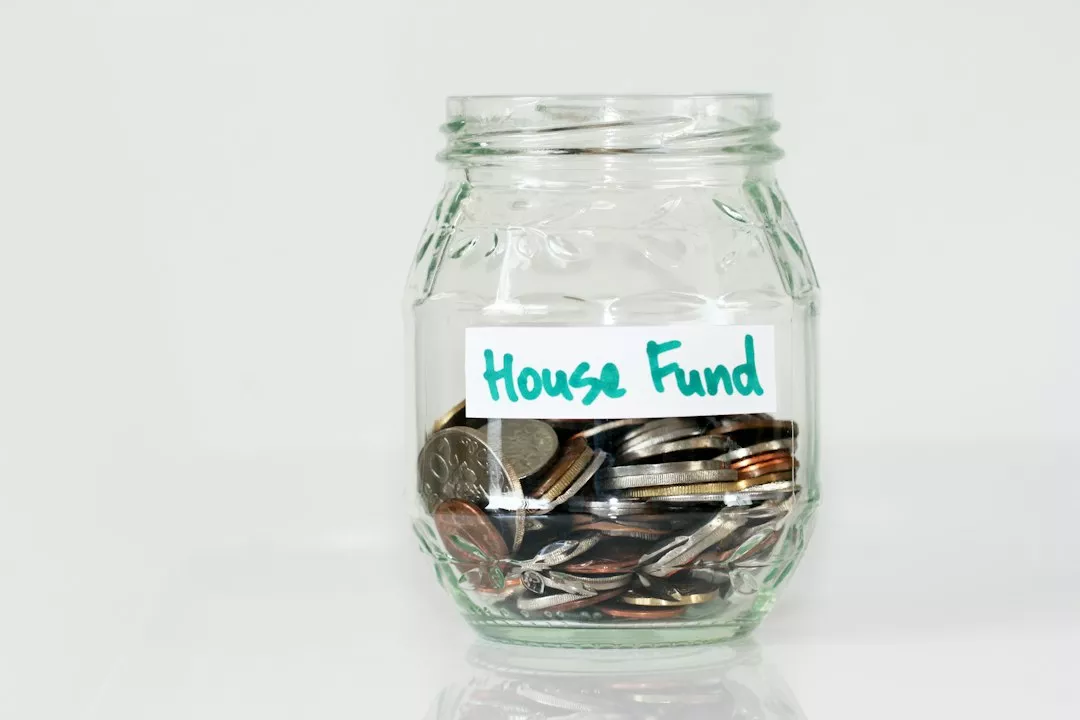
A sinking fund is money you set aside gradually for a specific, predictable expense that you know is coming. Instead of scrambling to find a large lump sum when the bill arrives, you save a small portion each month so the money is already there when you need it.
It is different from an emergency fund. An emergency fund covers genuine surprises, such as losing your job or a sudden medical bill. A sinking fund covers things you can see on the horizon, even if you do not know the exact cost. If you are still building that safety net, our guide on how to build an emergency fund from scratch is a good place to start before you add several sinking funds on top.
Why Sinking Funds Work So Well
The main benefit is that they turn large, stressful expenses into small, manageable monthly habits. There are a few other advantages worth knowing about:
- Less reliance on credit. When a big bill lands and there is no cash set aside, many people reach for a credit card, a store account or a short-term loan. Interest and fees can quickly make the original expense far more costly.
- Fewer budget shocks. Knowing the money is already earmarked removes the panic from irregular costs.
- Better decisions. You can shop around for insurance, repairs or travel without the pressure of an immediate deadline.
- Clearer spending boundaries. Each fund has a purpose, so it is easier to resist dipping into it for something else.
Common Sinking Fund Categories for South African Households
Your list will depend on your own circumstances, but these categories come up for many households:
Vehicle Costs
Annual licence renewals, services, tyres and unexpected repairs can all be significant. If you rely on a car or a minibus taxi budget to get to work, a vehicle fund helps keep you moving without borrowing.
Insurance and Annual Fees
Some insurers, security companies and subscription services bill annually rather than monthly. Others have excess payments that apply when you claim. Setting money aside means you can pay on time and avoid cancellation or lapses in cover.
Education Costs
School fees are often spread across the year, but uniforms, stationery, textbooks, school trips and extra-mural activities tend to arrive in clusters, especially at the start of the school year. A dedicated fund keeps January from becoming a financial crisis.
Home Maintenance
Whether you rent or own, things break. Geysers, plumbing, gate motors and roofing issues rarely wait for a convenient moment. Homeowners in particular should keep a maintenance fund, since repairs are usually your responsibility.
Holidays, Gifts and Celebrations
December travel, birthdays, weddings, funerals and cultural or religious events can be both meaningful and expensive. Saving for them in advance means you can participate fully without taking on debt afterwards.
Medical and Dental Costs
Even with medical aid, co-payments, savings account shortfalls and dental work can add up. A small health fund provides a buffer.
How to Set Up a Sinking Fund Step by Step
1. List Your Irregular Expenses
Go through your bank statements for the past year and note every expense that did not happen monthly. Check your calendar and any annual renewals too. This exercise often reveals costs you had forgotten about.
2. Estimate the Cost and Timing
For each item, estimate the cost and when it is due. If you are unsure, look at what you spent last time and allow some extra for price increases. Check current prices with the relevant provider rather than relying on memory.
3. Divide by the Months Remaining
Take the estimated cost and divide it by the number of months until the expense is due. The result is the monthly amount you need to put aside. Add these up across all your funds to see what your total monthly contribution needs to be.
4. Fit It Into Your Budget
Treat sinking fund contributions like any other fixed monthly bill. If the total looks too high, prioritise the essentials first, such as vehicle licensing, insurance and school costs, and reduce or delay the nice-to-haves. If you are new to structured budgeting, Budgeting 101: A Beginner's Guide to Saving Money explains how to build a monthly plan that makes room for goals like these.
5. Choose Where to Keep the Money
You have several options, and the best one depends on how disciplined you are and how soon you need the money:
- Separate savings accounts or pockets. Many South African banks, including Capitec, FNB, Nedbank, Absa and Standard Bank, offer savings accounts or savings pockets within the app. Labelling each one makes it easy to track progress.
- One savings account with a spreadsheet. Keep the money in a single account and track each fund's balance yourself. This is simpler but requires more self-discipline.
- Notice or fixed deposit accounts. If the expense is further away, these may offer higher interest, but they can restrict access to your money. Check the current terms and rates with the provider before committing.
Whatever you choose, look at the account's fees and conditions. Monthly charges can eat into small balances, so compare options carefully.
6. Automate Your Contributions
Set up a recurring transfer shortly after payday so the money moves before you have a chance to spend it. Automation removes the need for willpower and makes saving a habit rather than a decision you have to make every month.
Mistakes to Avoid
Treating the Fund as a Spending Pool
The point of a sinking fund is to protect money for a defined purpose. If you regularly borrow from it to cover everyday spending, it stops doing its job. If that keeps happening, it is a sign your core budget needs a rethink.
Underestimating Costs
Prices tend to rise over time, so an estimate based on old numbers may fall short. Review your funds periodically and adjust the monthly amounts if needed.
Creating Too Many Funds at Once
It can be tempting to set up a fund for everything. Start with two or three priority categories and add more as your budget allows. Too many small funds can become hard to manage.
Ignoring High-Interest Debt
If you are carrying expensive debt, balancing sinking funds against repayments takes careful thought. Interest on credit cards and store accounts can outweigh what you earn on savings. Our article on how to pay off credit card debt faster can help you decide how to split your money.
What to Do When a Fund Is Not Enough
Sometimes the actual cost exceeds what you saved, or an expense arrives sooner than expected. In that case, you can top up from your regular budget by trimming other categories for a month or two. You can also draw on your emergency fund if the situation genuinely qualifies, then replenish it afterwards. Try to avoid borrowing as a first response, since credit carries interest, fees and conditions, and approval is always at the lender's discretion.
If you do need to borrow, make sure you understand the National Credit Act protections that apply, read the full terms, and ask the provider for a clear breakdown of the total cost of credit before you sign anything.
Review and Adjust Regularly
A sinking fund system works best when you revisit it. Once or twice a year, go through your list: remove expenses that no longer apply, add new ones, and update the estimates. When a fund has paid for its purpose, start the cycle again for the next occurrence. Over time, the routine becomes second nature, and annual bills stop feeling like emergencies.
The Bottom Line
Sinking funds will not make expenses disappear, but they change how you meet them. By spreading the cost across the months leading up to each bill, you reduce stress, protect yourself from unnecessary debt and keep more control over your money. Start small, pick the expenses that cause the most strain, automate your transfers and adjust as you learn. Savings products and their terms differ between providers and can change, so always check the current conditions with your bank before opening an account. This article is general information and not personal financial advice; if you need tailored guidance, consider speaking to a registered financial adviser.
Bravenkindle Editorial Team
Our editorial team writes practical, plain-English guides to personal finance for readers in the United Kingdom and South Africa.