How Credit Card Balance Transfers Work in the UK: A Practical Guide
Learn how balance transfer credit cards work in the UK, what fees and conditions to check, and how to avoid common traps when moving card debt to a new provider.

If you are carrying a balance on a credit card, the interest can make it feel like you are running on the spot. A balance transfer is one tool that some people in the UK use to give themselves breathing room. It is not a magic fix, and it carries conditions and risks, but understanding how it works can help you decide whether it fits your situation. This guide explains the mechanics, the costs to watch for, and the mistakes that catch people out.
What Is a Balance Transfer?
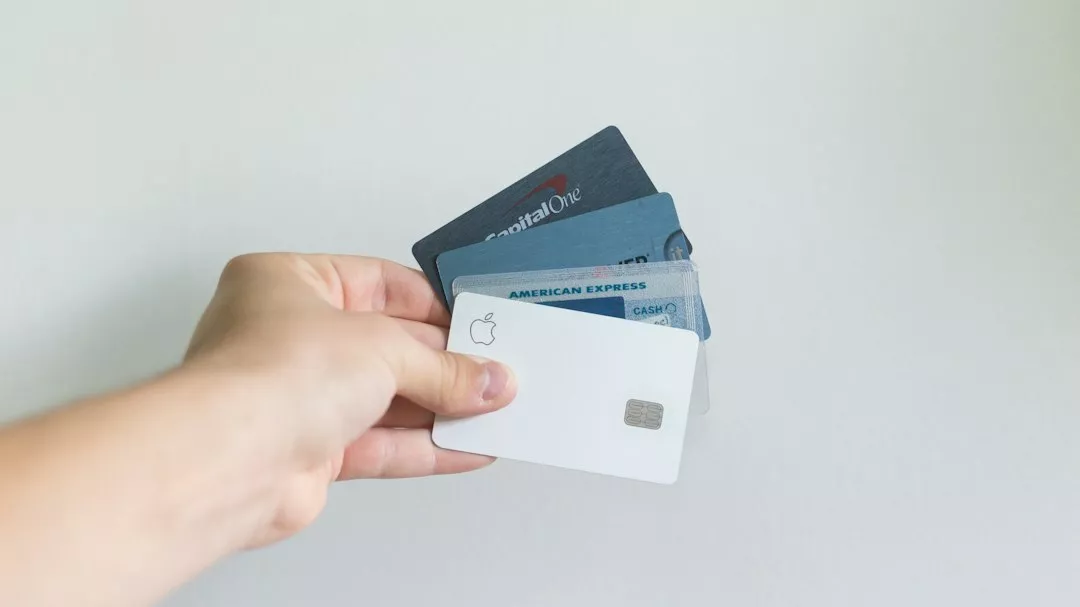
A balance transfer means moving debt from one credit card to another. You apply for a new card that offers balance transfers, and if you are accepted, the new provider pays off some or all of the balance on your old card. The debt then sits with the new provider instead.
The appeal is that many balance transfer cards advertise a promotional period during which the interest rate on transferred balances is reduced, sometimes to zero. During that window, more of each payment goes towards the actual debt rather than interest. Whether you are offered such a deal, and on what terms, is entirely the decision of the card issuer.
How the Process Typically Works
1. Check your eligibility without damaging your score
Before applying, use an eligibility checker. Many comparison sites and some providers offer these tools, which use a soft search that does not leave a visible mark on your credit file. A full application, by contrast, leaves a hard search that other lenders can see. If you want to understand how those searches are recorded, our guide to how credit scores and credit reference agencies work in the UK explains what lenders look at.
2. Apply and request the transfer
Once approved, you provide the details of the card you want to pay off and the amount you want to move. Some providers let you request the transfer during the application, while others ask you to do it after the card arrives. Check whether there is a deadline for making the transfer in order to qualify for the promotional rate, because missing it can mean losing the offer.
3. Keep paying the old card until the transfer completes
Transfers are not instant. They can take some days to process, and in the meantime your old card still needs its minimum payment. Missing a payment while you wait can lead to late fees and damage to your credit file, so keep paying until you can see the balance has cleared.

The Costs You Need to Check
A low or zero interest rate on transferred balances sounds simple, but several conditions sit around it. Always read the key facts document the provider supplies and check the current figures directly with them.
Balance transfer fees
Most providers charge a fee for moving the debt, usually calculated as a share of the amount transferred. A longer promotional period often comes with a higher fee. Because these figures change, check the current fee with the provider and weigh it against the interest you expect to save.
The length of the promotional period
The promotional window is fixed by the provider and ends on a set date. When it does, any remaining balance usually reverts to the card's standard interest rate, which can be considerably higher. Work out honestly whether you can clear the balance within the window, and check the current standard rate so you know what happens if you cannot.
Credit limits and what you can move
The provider decides your credit limit, and that limit may be lower than your existing debt. It may also cap how much of the limit can be used for balance transfers, and fees can eat into the available amount. This means you might only be able to move part of what you owe.
Purchases and other balances
Balance transfer cards often treat purchases differently from transferred debt. The promotional rate may apply only to the transferred balance, while new spending attracts the standard rate. There can also be rules about how your payments are allocated between different balances. Check how this works with your provider before you start spending on the card.
Common Mistakes to Avoid
Treating the promotional period as free money
A transfer only helps if you use the breathing room to reduce the debt. Paying only the minimum can leave you with a large balance when the promotional period ends. A practical approach is to divide the balance by the number of months in the window and see what monthly payment that implies, then ask whether that is realistic within your budget. If you need a framework for fitting that payment in, our guide to building a household budget in the UK can help.
Missing a payment
Many providers state that a missed payment can cancel the promotional rate and move you to a higher rate straight away. Setting up a Direct Debit for at least the minimum payment is a sensible safeguard, though you should still make sure the money is in your account.
Adding new debt to the old card
If you transfer a balance and then start spending on the old card again, you can end up with more debt than you started with. Some people choose to stop using the old card entirely, while others keep it for emergencies. Whatever you decide, have a plan before you transfer.
Applying for several cards at once
Each full application leaves a hard search on your credit file. Several in a short time can make lenders more cautious. Using eligibility checkers first helps you apply only where acceptance looks more likely, though no check can guarantee the outcome.
Is a Balance Transfer Right for You?
A balance transfer can make sense when you have a realistic plan to repay the debt, a decent credit profile, and a clear understanding of the fees and the date the offer ends. It tends to suit people whose problem is the cost of interest rather than an ongoing gap between income and spending. If your debt is growing because outgoings regularly exceed income, moving it around will not solve the underlying issue, and you may be better off seeking free, impartial debt advice from an organisation such as MoneyHelper, StepChange or Citizens Advice.
It is also worth comparing a balance transfer with alternatives. Some people consider a personal loan, which has a fixed repayment schedule, while others look at how credit card grace periods work to avoid interest on new spending going forward. Each option has its own costs, conditions and risks.
A Simple Checklist Before You Apply
- Use an eligibility checker to see which cards you may be considered for.
- Check the current balance transfer fee and how it is calculated.
- Confirm how long the promotional period lasts and when it starts.
- Find out the standard interest rate that applies afterwards.
- Check any deadline for completing the transfer to qualify for the offer.
- Understand how purchases and payments are treated on the new card.
- Set up a Direct Debit so you never miss a payment.
- Decide what you will do with the old card once it is cleared.
Final Thoughts
Balance transfers can be a useful way to manage credit card debt when used with care, but the details matter. Fees, deadlines, credit limits and the rate that applies once the offer ends all shape whether the deal actually works in your favour. Approval is always the provider's decision, and every credit product carries conditions and risks, including the risk of owing more if you fall behind. Take the time to read the provider's documents, check the current terms directly with them, and build a repayment plan you can stick to before you commit.
Bravenkindle Editorial Team
Our editorial team writes practical, plain-English guides to personal finance for readers in the United Kingdom and South Africa.