How Store Accounts and Retail Credit Work in South Africa: What to Know Before You Sign
Store accounts can feel convenient, but they are a form of credit. Learn how retail credit works in South Africa, what to check and cheaper alternatives.
Walk into almost any major clothing, furniture or electronics retailer in South Africa and you will be offered a store account at the till. The pitch is usually friendly and quick: sign up today, take your goods home, and pay later. It feels like a loyalty perk, but a store account is a form of credit, and it comes with the same legal framework, costs and risks as any other borrowing. This guide explains how retail credit works, what to look for in the paperwork and how to decide whether it suits your situation.

What Is a Store Account?
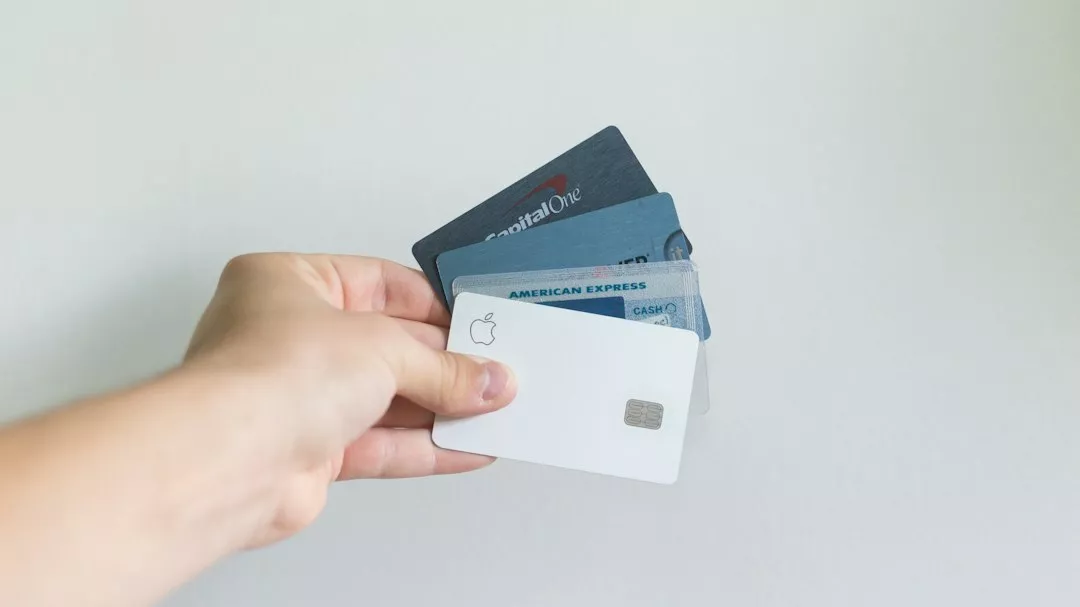
A store account, sometimes called a revolving charge account or in-store credit facility, lets you buy goods from a specific retailer (or retail group) and repay the balance over time. Instead of paying the full amount at the till, you agree to a monthly instalment. Many accounts are revolving, meaning that as you repay, your available credit frees up again and you can keep spending up to your limit.
Store accounts differ from a general credit card in one key way: they are usually only valid at the issuing retailer or its related brands. That narrower use can make them feel lower risk, but the interest, fees and consequences of missed payments are still real.
Revolving accounts versus fixed-term credit
Retailers typically offer two structures. A revolving account has an ongoing limit and a minimum monthly payment. A fixed-term agreement, more common for furniture, appliances and electronics, spreads the price of a specific item over a set number of months. Fixed-term agreements make it easier to see exactly when the debt ends. Revolving accounts can stay open for years if you only make minimum payments.
How Retail Credit Is Regulated
Store accounts fall under the National Credit Act, and credit providers must register with the National Credit Regulator. Retailers are generally required to carry out an affordability assessment before granting credit, which usually means checking your income, expenses and existing debt obligations. They typically also check your record with a credit bureau.
The Act also sets rules about disclosure, maximum interest and fees, and what a provider may and may not do when you fall behind. If you want a deeper explanation of your rights, read our guide to how the National Credit Act protects you when you borrow in South Africa. Approval is always the retailer's decision, and no one can guarantee that an application will be accepted.

The Costs Hidden in the Paperwork
The convenience of a store account is easy to see. The costs take a little more effort to find. Before you sign, ask for the credit agreement and read these sections carefully:
- Interest rate: Check how interest is calculated and whether it is fixed or linked to a benchmark rate. Ask the retailer for the current rate in writing.
- Initiation fee: A once-off charge for setting up the account, which may be added to the balance and therefore attract interest.
- Monthly service fee: A recurring charge for simply holding the account, regardless of whether you buy anything that month.
- Credit life insurance: Many accounts include optional or default cover that settles the balance if you die or lose income under defined circumstances. Check whether it is compulsory, what it covers and what it adds to your monthly payment.
- Penalty and collection costs: Late payments can trigger additional charges and affect your credit record.
Because fees are added on top of the purchase price, the real cost of an item bought on account can be noticeably higher than the ticket price. Ask for the total cost of credit, meaning the full amount you will have repaid by the end of the agreement, and compare it with the cash price.
Why minimum payments keep you in debt
On a revolving account, the minimum payment is often set to cover interest, fees and a small portion of the balance. Paying only the minimum can keep you in debt for a long time, especially if you continue to add new purchases. If you do use a store account, aim to pay more than the minimum whenever your budget allows and try to avoid adding new purchases while you still owe on old ones.
How Store Accounts Affect Your Credit Record
Store accounts are generally reported to credit bureaus. Paying on time can support a healthy record, while missed or late payments can damage it and make future applications for a vehicle finance, home loan or personal loan harder. Opening several store accounts in a short space of time can also signal to lenders that you rely heavily on credit, and each application may leave an enquiry on your file.
Remember that your credit record is built from your behaviour across all accounts. A store account is not a shortcut to a better record, and it is not necessary to hold one to build a positive history. You can request your own credit report from the registered bureaus, and the law allows you to do so free of charge on a periodic basis. Check with the bureau for the current terms.
Questions to Ask Before You Open an Account
Before you say yes at the till, pause and ask yourself and the retailer the following:
- Can I afford this without the account? If the purchase only works on credit, consider whether it is genuinely needed right now.
- What is the total cost of credit? Compare it with the cash price and with other ways of paying.
- Which fees will apply every month? Ask for a full schedule of charges.
- Is insurance optional? Ask what it covers and whether you can decline it.
- What happens if I miss a payment? Understand the penalties, the collection process and the impact on your credit record.
- Is there a cooling-off or cancellation right? Ask how you can close the account and settle the balance early, and whether any early settlement charges apply.
Do not feel pressured by a queue behind you or by a time-limited discount on the day. A legitimate offer will still be there after you have read the agreement at home.
Alternatives Worth Comparing
Store credit is only one way to pay over time, and it is not always the cheapest. Consider these options as well:
Saving first with a sinking fund
For planned purchases such as a fridge, a laptop or school clothing, putting money aside each month avoids interest altogether. Our guide to sinking funds in South Africa shows how to set one up and keep it organised.
Layby
Many retailers still offer layby, where you pay in instalments and collect the goods once the full price is settled. Layby is not credit in the same sense, because you do not take the item home until you have paid. Check the retailer's terms on cancellation fees and deadlines.
A rewards or cashback credit card
A general credit card can sometimes offer a longer interest-free period if you repay in full each month, plus rewards. It carries its own risks and costs, so compare carefully using our guide to choosing a cashback or rewards credit card in South Africa.
If You Are Already Struggling With Store Debt
If your monthly obligations are becoming hard to meet, act early rather than waiting until accounts are in arrears. Contact the retailer's credit department to discuss your options, and make a realistic list of everything you owe. If the total is unmanageable, a registered debt counsellor can assess your position and explain whether a formal process may be appropriate. Our overview of debt review and debt counselling in South Africa explains how that works, including the conditions and trade-offs involved.
Key Takeaways
A store account is credit, not a gift or a loyalty perk. It can be a useful tool for some households when used carefully, but it carries interest, fees and consequences for your credit record if repayments are missed. Read the agreement, ask for the total cost of credit, decline add-ons you do not need and compare alternatives such as saving in advance or using layby. Every credit product has conditions and risks, and the final decision to approve an application rests with the provider, so always confirm current terms and charges directly with the retailer before you sign.
Bravenkindle Editorial Team
Our editorial team writes practical, plain-English guides to personal finance for readers in the United Kingdom and South Africa.