How to Choose a Cashback or Rewards Credit Card in South Africa
Cashback or rewards? Learn how South African credit card reward programmes work, what to compare, and how to pick a card that suits your real spending habits.

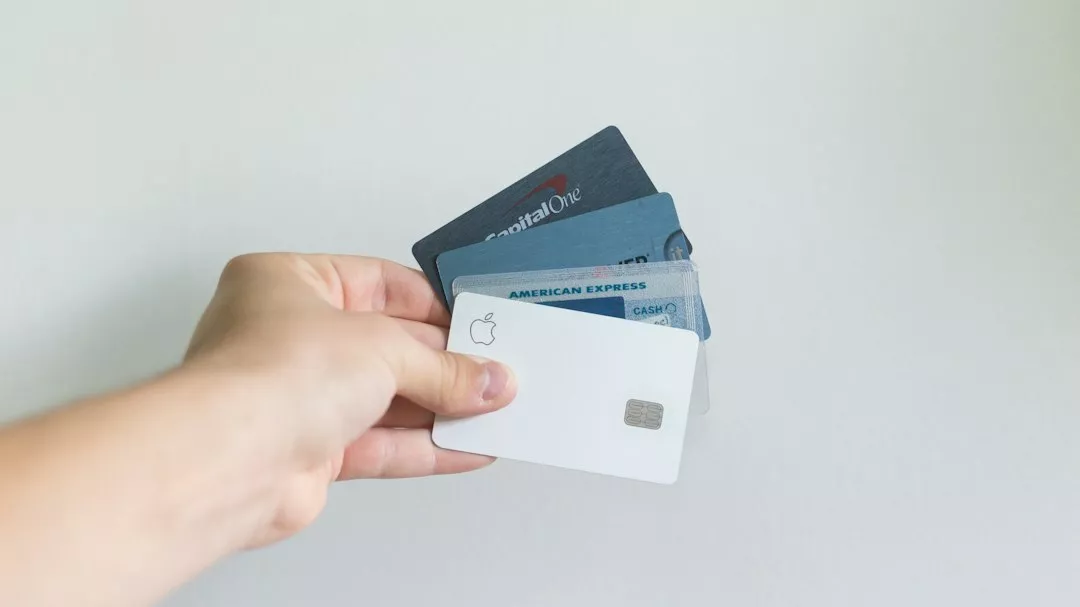
Walk into any South African bank branch or browse any banking app, and you will find credit cards promising cashback, points, travel perks and lounge access. The marketing can make every card sound like a bargain. In reality, a rewards card only makes financial sense if the value you earn clearly outweighs the cost of owning it and the interest you might pay. This guide explains how reward cards work in South Africa, how to compare them honestly, and how to decide whether one belongs in your wallet at all.
How Rewards Credit Cards Work in South Africa
Most major South African banks, including Absa, Standard Bank, FNB, Nedbank and Discovery Bank, offer credit cards linked to some kind of reward. The structure usually falls into one of three types:
- Cashback cards: you receive a percentage of your qualifying spend back as a rand value, credited to your account or used against your balance.
- Points-based cards: you earn points for each rand spent, which can be redeemed on products, vouchers, travel or partner offers.
- Behaviour-linked programmes: some banks give higher reward tiers if you meet conditions, such as holding a certain transactional account, using partner retailers, or showing responsible account behaviour.
Every programme has its own rules about what counts as qualifying spend, how rewards are calculated, and when they expire. Rates, caps and thresholds change regularly, so always confirm the current terms directly with the bank before you apply.
Cashback vs Points: Which Suits You?
When cashback makes sense
Cashback is simple. You spend, and a portion comes back as real money. There is no need to track a points balance or worry about how a redemption catalogue values each point. If you want straightforward value without effort, cashback is often easier to understand and compare.
When points can work better
Points programmes can offer more flexibility, especially if you can redeem them for travel, partner vouchers or in-store discounts. However, the value of a point is set by the programme and can differ depending on how you redeem it. Points are only worth what you can realistically use them for. If you rarely redeem, or the options do not match your lifestyle, the points may sit unused.
A simple test
Ask yourself: will I actually use this reward? A generous-looking points scheme is worth little if you never redeem, while a modest cashback rate is worth something every month.
Look Beyond the Headline Reward
The reward rate is only one part of the picture. Before you compare cards, look at the full cost of ownership.
Fees and charges
Many reward cards carry a monthly or annual fee, and some tiers charge higher fees for premium benefits. There may also be fees for cash withdrawals, foreign transactions, or additional cardholders. Ask the bank for the current fee schedule and compare it against the rewards you would realistically earn.
Interest
This is where reward cards can quietly become expensive. Interest on a credit card balance can easily outweigh any cashback or points you earn. If you carry a balance from month to month, a reward card is rarely a good idea. Our guide on how credit card grace periods actually work explains how to avoid paying interest on purchases in the first place.
Earning limits and exclusions
Some programmes exclude certain transactions from earning rewards, such as fuel, school fees, insurance premiums, or payments to government institutions. Others cap the amount you can earn in a period. Read the conditions to see which of your regular purchases would actually qualify.
Expiry rules
Rewards may expire after a certain period, or be forfeited if you close the card or fall behind on payments. Check what happens to your balance in those situations.
Matching the Card to Your Spending
The best reward card is the one that fits how you already spend, not one that encourages you to spend more.
- Groceries and everyday spend: look for cards where supermarket and pharmacy purchases earn rewards or enhanced benefits.
- Fuel: some fuel-linked cards offer discounts or rewards at specific retailers, but check whether a fuel benefit is tied to a particular brand or programme.
- Travel: if you travel regularly, features such as lounge access, travel insurance or foreign spend rewards may matter more than a basic cashback rate.
- Online shopping: check whether e-commerce purchases earn the same as in-store spend.
Write down your typical monthly spending by category before comparing cards. This stops you being swayed by benefits you will never use. If you are still getting to grips with your numbers, our beginner's guide to budgeting is a good place to start.
How the National Credit Act Affects Your Card
In South Africa, credit cards are regulated under the National Credit Act, which sets rules on affordability assessments, disclosure of costs, and how lenders must treat borrowers. When a bank assesses your application, it must consider whether you can afford the credit being offered. Approval is always the bank's decision and depends on your income, existing debt and credit record. For a deeper look at your protections, read our article on how the National Credit Act protects you when you borrow.
If you have been turned down in the past, understanding why can help before you try again. Our piece on why you keep getting denied for credit cards covers the common reasons.
Questions to Ask Before You Apply
- What is the current fee structure, including monthly, annual and transaction fees?
- What does the reward rate apply to, and which purchases are excluded?
- Are there caps on what I can earn?
- Do rewards expire, and what happens if I close the card?
- What interest rate applies if I do not pay the full balance?
- Do I need to hold other products with the bank to qualify for the best reward tier?
Ask for these answers in writing or check the bank's official pricing and terms documents, as conditions can change.
Risks to Keep in Mind
A reward card is a credit product, not free money. Every rand of cashback or every point earned can be cancelled out by a single month of interest or an unexpected fee. Some risks to watch for:
- Overspending: chasing rewards can tempt you to buy things you would otherwise skip.
- Revolving debt: carrying a balance makes the card costly, whatever the rewards.
- Complexity: tiered benefits and conditions can make it hard to know whether you are really benefiting.
If you already have credit card debt, focus on clearing it before thinking about rewards. Our guide on how to pay off credit card debt faster can help you build a plan.
A Practical Approach
If you decide a reward card suits you, use it as a payment tool rather than a borrowing tool. Many people choose to put regular, planned expenses on the card and set up a debit order to pay the full balance each month. That approach lets you benefit from the reward programme while avoiding interest. It also helps to review your statement monthly, track what you have earned, and revisit the card each year to confirm it still fits your habits and that the fees remain worthwhile.
The Bottom Line
Cashback and rewards cards can add some value for disciplined users who pay their balance in full, but they are not suited to everyone. Compare the real cost of ownership against the benefits you will actually use, read the terms carefully, and confirm all current rates, fees and conditions with the bank directly. Approval and terms are always at the lender's discretion, and every credit product carries risk. If you are unsure, consider speaking to a registered financial adviser or a bank consultant before making a decision.
Bravenkindle Editorial Team
Our editorial team writes practical, plain-English guides to personal finance for readers in the United Kingdom and South Africa.